Educational Reforms in Pakistan: What’s Next?
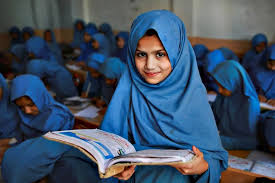
Educational Reforms in Pakistan: What’s Next?
Pakistan's education sector is undergoing a significant transformation in 2025, driven by urgent reforms aimed at addressing systemic challenges and preparing the youth for a rapidly evolving global landscape. With over 26 million children out of school and a learning crisis affecting millions more, the government and development partners are implementing comprehensive strategies to reshape the future of education.UKFIET
Key Reform Priorities
-
Inclusive and Evidence-Based Policy Making
The Data and Research in Education – Research Consortium (DARE-RC) is spearheading efforts to improve learning outcomes for marginalized children. Their focus includes enhancing teacher quality, strengthening frontline education services, and utilizing data to inform policy decisions. This approach aims to create scalable solutions that can be adapted across diverse contexts in Pakistan. -
Curriculum Overhaul and Skill Development
Recognizing the need for a curriculum that aligns with modern demands, reforms are underway to reduce rote learning and introduce competency-based assessments. The emphasis is on developing critical thinking, creativity, and practical skills. Programs are being implemented to promote STEM education and digital literacy, ensuring students are equipped for future challenges. -
Digital Transformation and Infrastructure Enhancement
A landmark initiative involves the production of over 500,000 Google Chromebooks for Pakistani students, a collaboration between Allied Corporation and Google. This move aims to bridge the digital divide and provide students with access to modern educational tools, fostering a tech-savvy generation. -
Public-Private Partnerships and Localized Solutions
The People's School Program (PSP) in Sindh exemplifies successful public-private partnerships, where newly constructed government schools are managed by reputable educational institutions. This model has led to the establishment of 35 schools, enrolling over 25,000 students, and aims to bring 300,000 out-of-school children into the education system within two years. -
Global Collaboration for Girls' Education
In January 2025, Pakistan hosted an international conference under the patronage of the Prime Minister, focusing on girls' education in Muslim communities. The event culminated in the Islamabad Declaration, affirming the right to education for all Muslim girls and fostering a global consensus on this critical issue.
Looking Ahead
The World Bank's $20 billion funding plan, set to commence in 2026, underscores the international community's confidence in Pakistan's educational reforms. This investment is expected to support initiatives in renewable energy, education, and social sectors, addressing challenges such as child stunting, learning poverty, and climate change impacts. Associated Press
As Pakistan navigates these transformative changes, the focus remains on creating an equitable, inclusive, and future-ready education system. The success of these reforms will depend on sustained political will, community involvement, and effective implementation strategies.