Heavy Rainfall Causes Widespread Damage Across Pakistan’s South
Heavy Rainfall Causes Widespread Damage Across Pakistan’s South
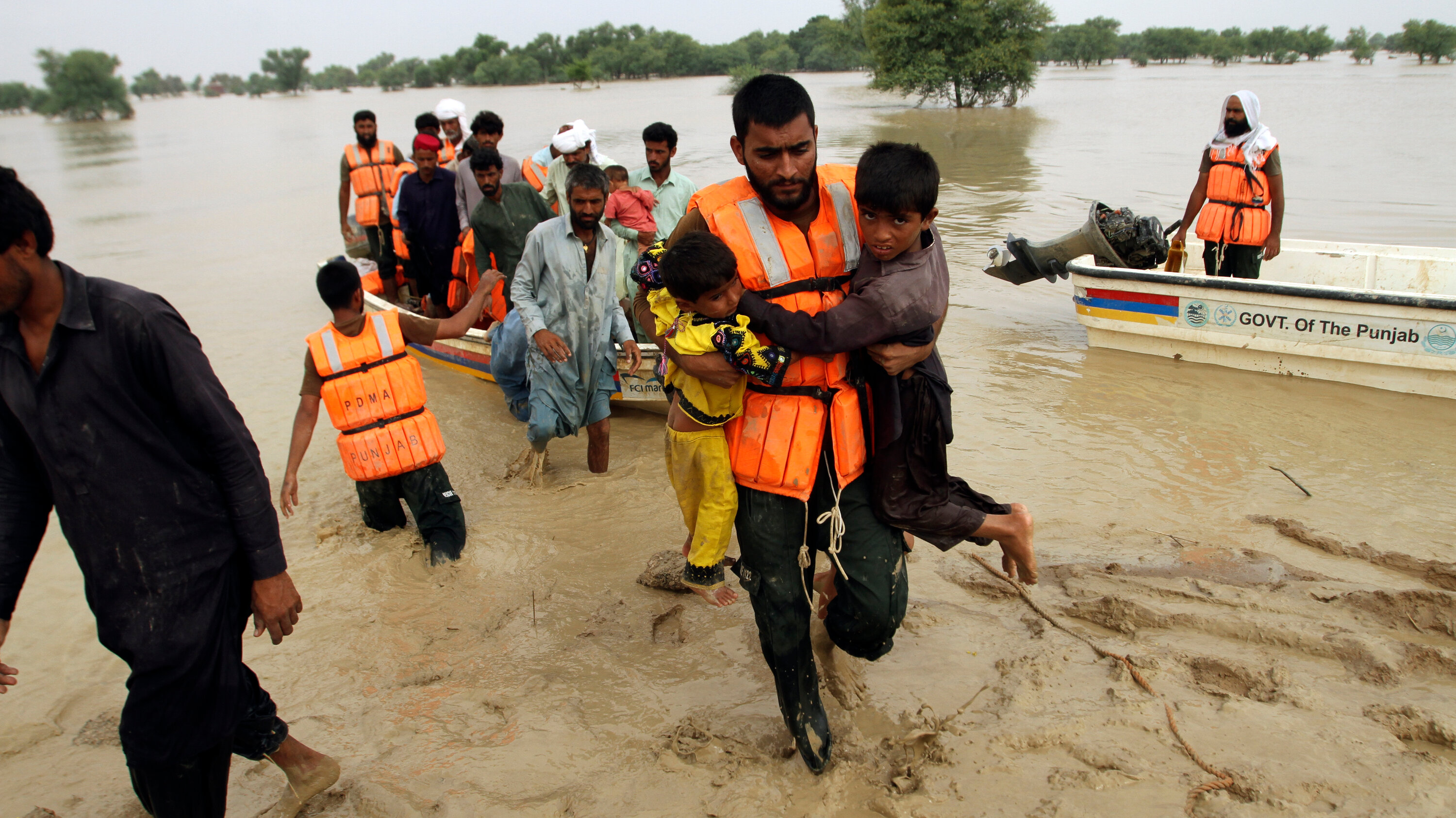
In the past few days, southern Pakistan has been hit by intense and unrelenting rainfall, leading to widespread damage across multiple regions. What began as a typical monsoon weather pattern quickly escalated into a severe weather event, causing flooding, infrastructure destruction, and loss of life. The provinces of Sindh and Balochistan have been among the hardest-hit areas, with emergency response teams working tirelessly to assist those affected by the devastating rains.
The torrential rainfall began late last week and continued for several days, overwhelming the region’s drainage systems. Major cities, including Karachi, the country's largest city, have experienced heavy downpours, leading to waterlogged streets, disrupted transportation, and power outages. The rain has led to flash floods in several districts, submerging roads and homes and causing significant property damage. In rural areas, the situation is even more dire, with entire villages cut off from emergency services due to the rising waters.
According to local officials, the rainfall has caused substantial damage to agricultural land, with crops destroyed across large swathes of the affected regions. The destruction of crops, especially in Sindh and Balochistan, is expected to have long-term effects on food supply and the livelihoods of local farmers, many of whom rely on their harvests for income. With thousands of acres of farmland submerged, there are concerns that the economic toll on the agriculture sector will further compound the existing challenges faced by Pakistan's economy.
The storm also took a heavy toll on infrastructure, with bridges, roads, and buildings collapsing under the weight of the flooding. In Karachi, the city’s infrastructure, already struggling with issues like poor drainage and overburdened public services, has been particularly vulnerable. The rains have also led to the disruption of essential services, including healthcare, as hospitals and clinics have been flooded, leaving medical personnel scrambling to provide care.
The Pakistani government has declared the affected areas disaster zones and has mobilized national and local resources to provide aid to those impacted. Relief operations include the provision of food, clean drinking water, and medical supplies, while teams work to rescue stranded individuals and provide temporary shelter. Despite the efforts, the damage caused by the rains is extensive, and the long-term recovery process is expected to be slow.
As the region grapples with the aftermath of the rainfall, experts are calling for better disaster preparedness and climate-resilient infrastructure to mitigate the impacts of future natural disasters. The situation has also brought attention to the broader issue of climate change, which has led to more frequent and intense weather events, putting additional strain on Pakistan’s already fragile infrastructure and economy.